Quiet Story Time – Everybody

Opening Song: “Bread and Butter”

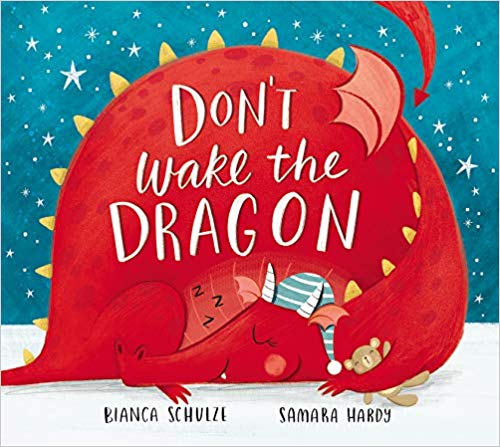
Book: Don’t Wake the Dragon by Bianca Schulze, illustrated by Samara Hardy

Song: “Clap, Clap, Clap Your Hands”
Clap, clap, clap your hands.
Clap them all around.
Clap them loud and
Clap them soft,
Now don’t make a sound. (fold arms)

Stamp, stamp, stamp your feet.
Stamp them all around.
Stamp them loud and
Stamp them soft,
Now don’t make a sound. (put knees together)
(Credit: Preschool Storytime Outlines)

Puppet Song: “Loud and Quiet” – Caspar Babypants: Sing Along!

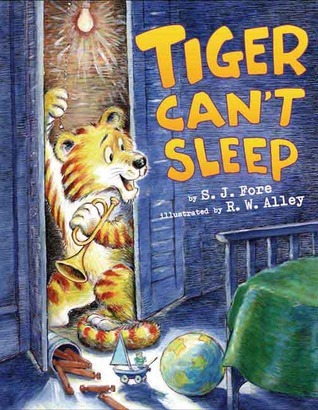
Book: Tiger Can’t Sleep by S. J. Fore, illustrated by R. W. Alley

Flannel: “Five Little Dinosaurs Jumping On the Bed”
Five little dinosaurs jumping on the bed,
One fell off and bumped his head.
Mama called the doctor and the doctor said,
“No more dinosaurs jumping on the bed!”

Repeat with 4, 3, 2, and 1 little dinosaurs.

Song: “Walking, Walking” – Old Town School of Folk Music: Songs for Wiggleworms

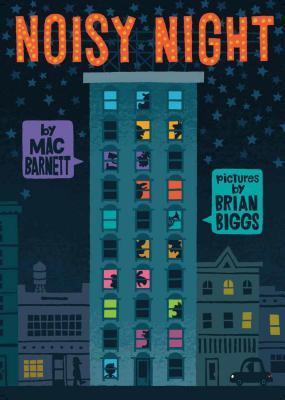
Book: Noisy Night by Mac Barnett, illustrated by Brian Biggs

Song: “We Are Dinosaurs” – Laurie Berkner: Whaddaya Think of That?

Closing Rhyme

Chicken Story Time – Preschool

Opening Song

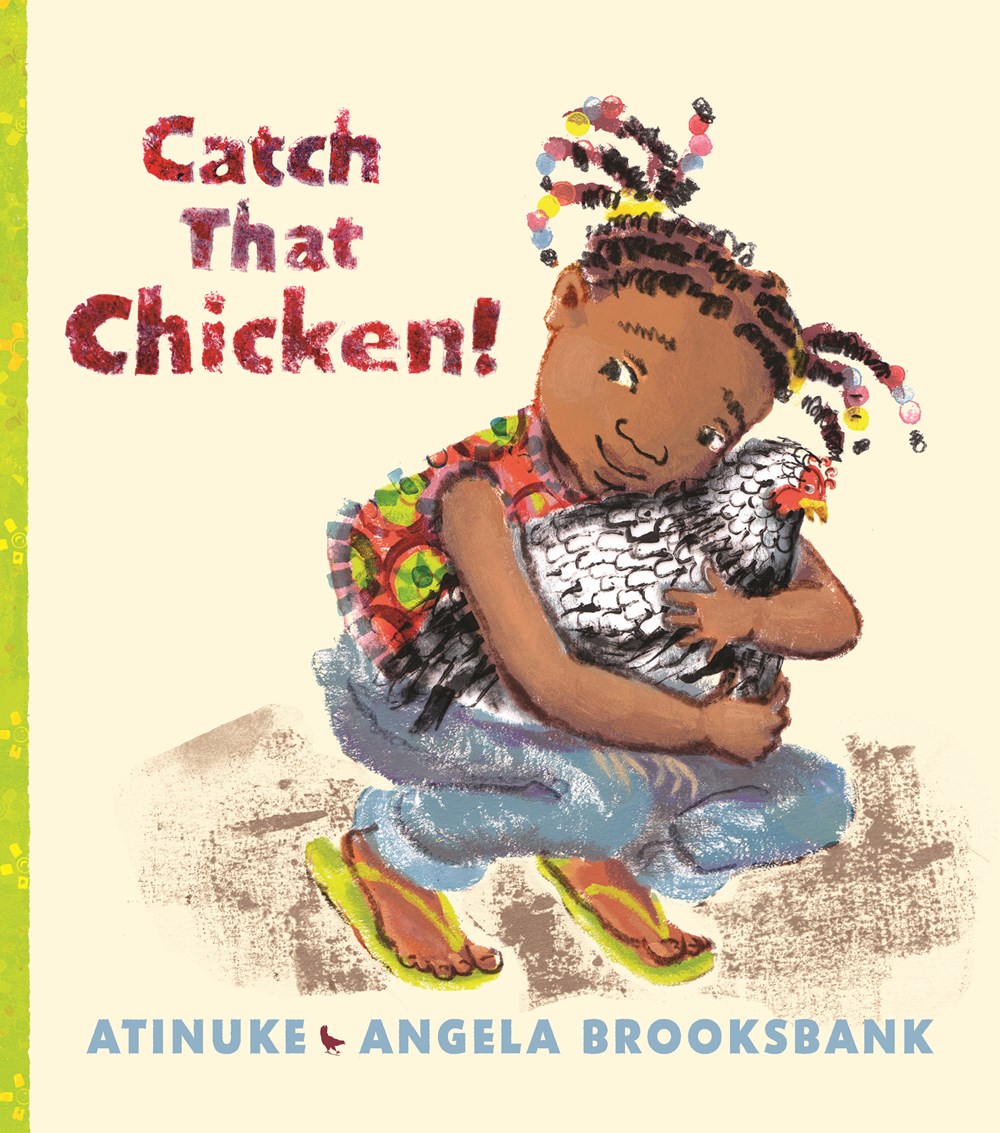
Book: Catch that Chicken! by Atinuke, illustrated by Angela Brooksbank

Song: “If You’re a Chicken and You Know It” (Tune: “If You’re Happy and You Know It”)
If you’re a chicken and you know it, flap your wings. FLAP! FLAP! (put hands near armpits to make your arms into “wings” and move your elbows up and down to flap)
If you’re a chicken and you know it, flap your wings. FLAP! FLAP!
If you’re a chicken and you know it, and you really want to show it,
If you’re a chicken and you know it, flap your wings. FLAP! FLAP!

Additional verses:
Run around
Scratch your feet (slide one foot back, then the other to “dig”)
Say, “Bok, bok!” (make chicken noises)
(Credit: Pasadena Public Library)

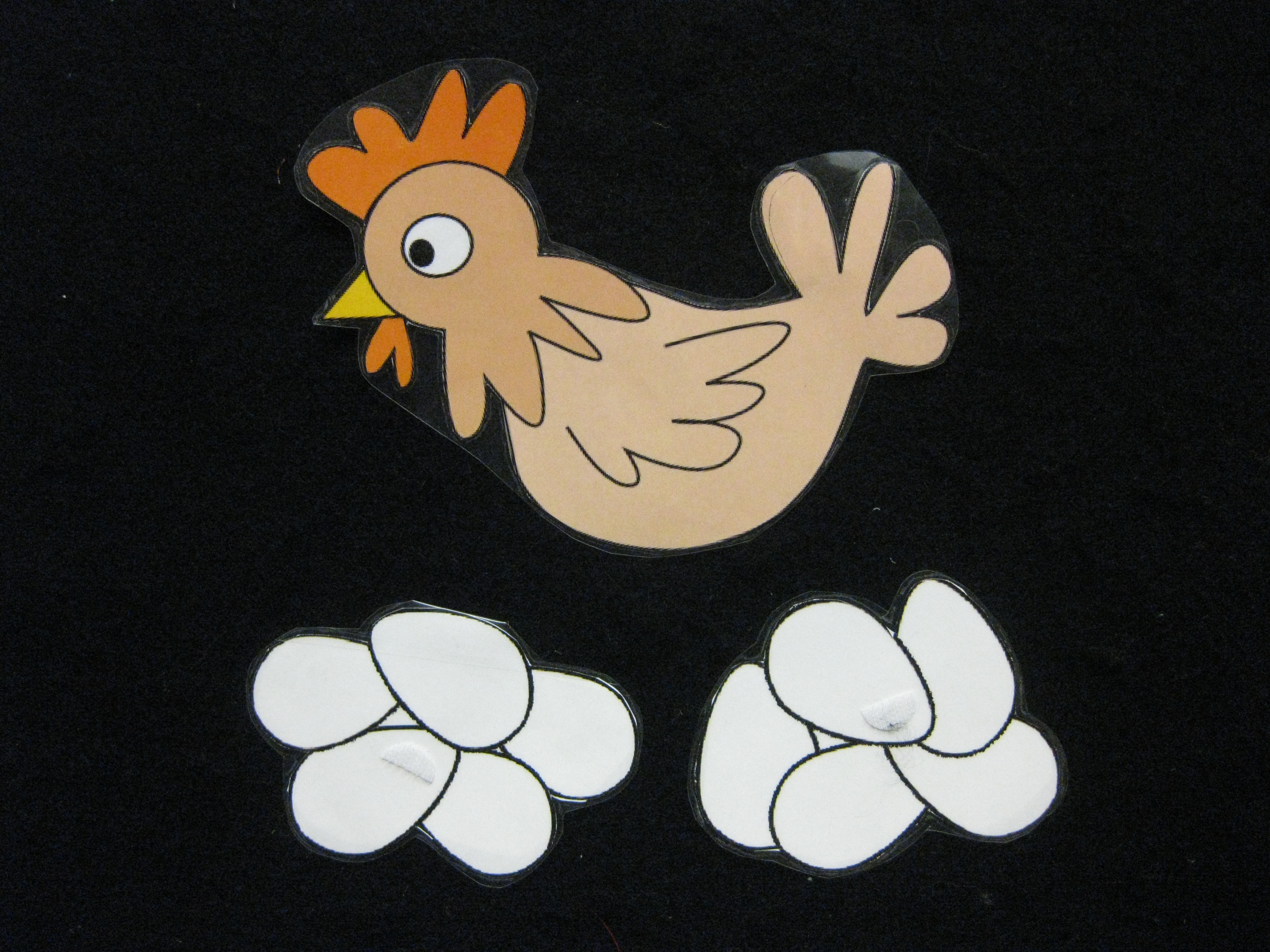
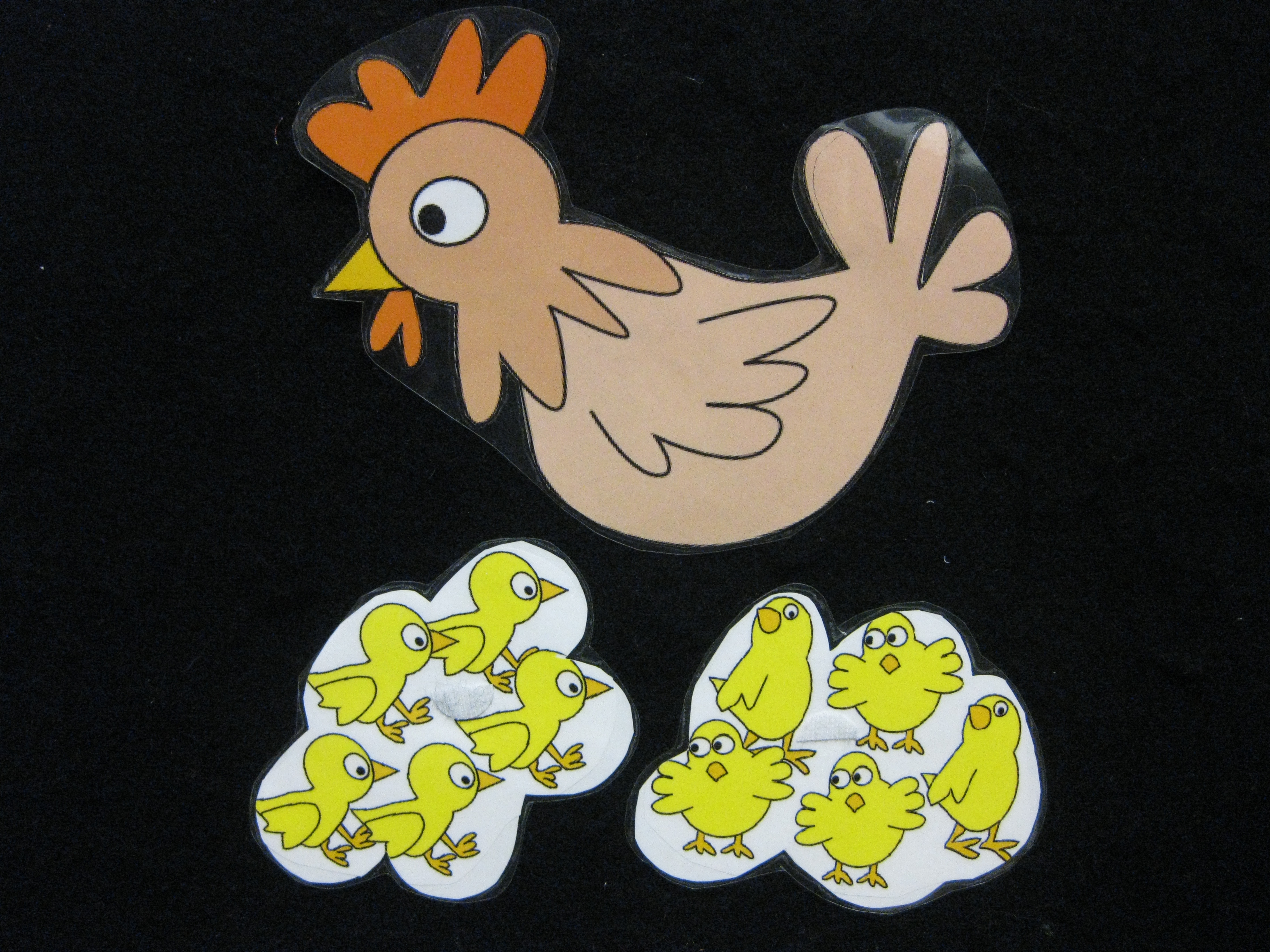
Flannel: “Ten Fluffy Chickens”
012
013
Five eggs and five eggs, (add a clutch of eggs each time you say “five eggs”)
And that makes ten.
Sitting on top
Is Mother Hen. (add the hen)
Cackle, cackle, cackle! (clap hands each time you say “cackle”)
What do I see?
Ten fluffy chickens, (flip over each clutch of eggs)
Yellow as can be.
(Credit: Mel’s Desk)

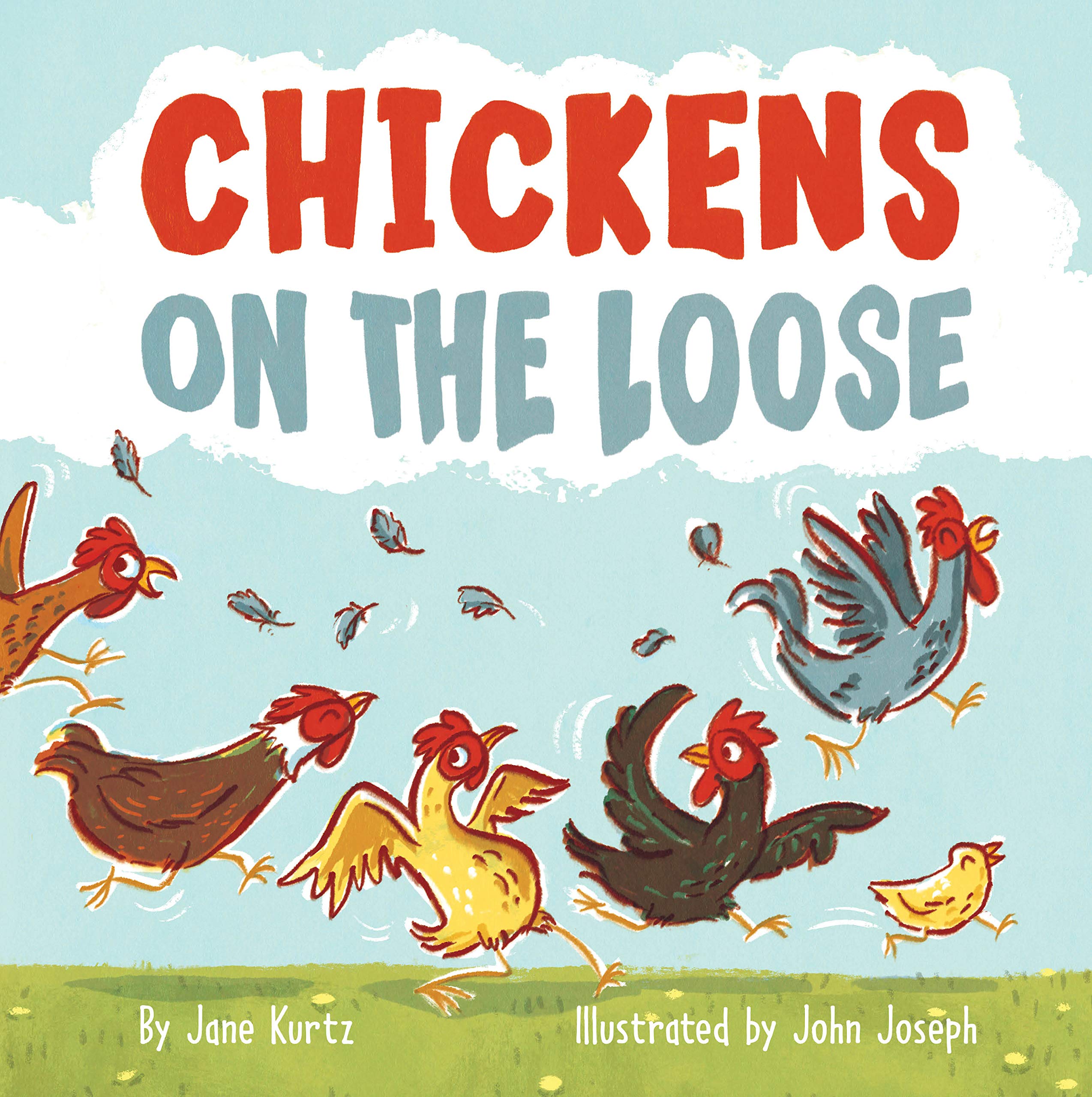
Book: Chickens on the Loose by Jane Kurtz, illustrated by John Joseph (Write the refrain “the chickens will not stop” on the board so everyone can join in repeating it.)

Shaker Eggs: “I Know a Chicken” – Laurie Berkner: Whaddaya Think of That?

Shaker Eggs (if time): “Shake Your Shakers”
Shake your shaker up.
Shake your shaker down.
Shake it side to side.
Shake it all around.
Shake it on your shoulders.
Shake it on your head.
Shake it on your knees,
And shake it right to bed!

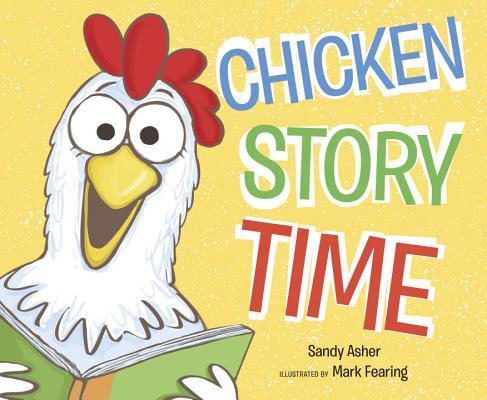
Book (if time): Chicken Story Time by Sandy Asher, illustrated by Mark Fearing

Closing Rhyme

Farm Story Time – Toddler

Opening Song

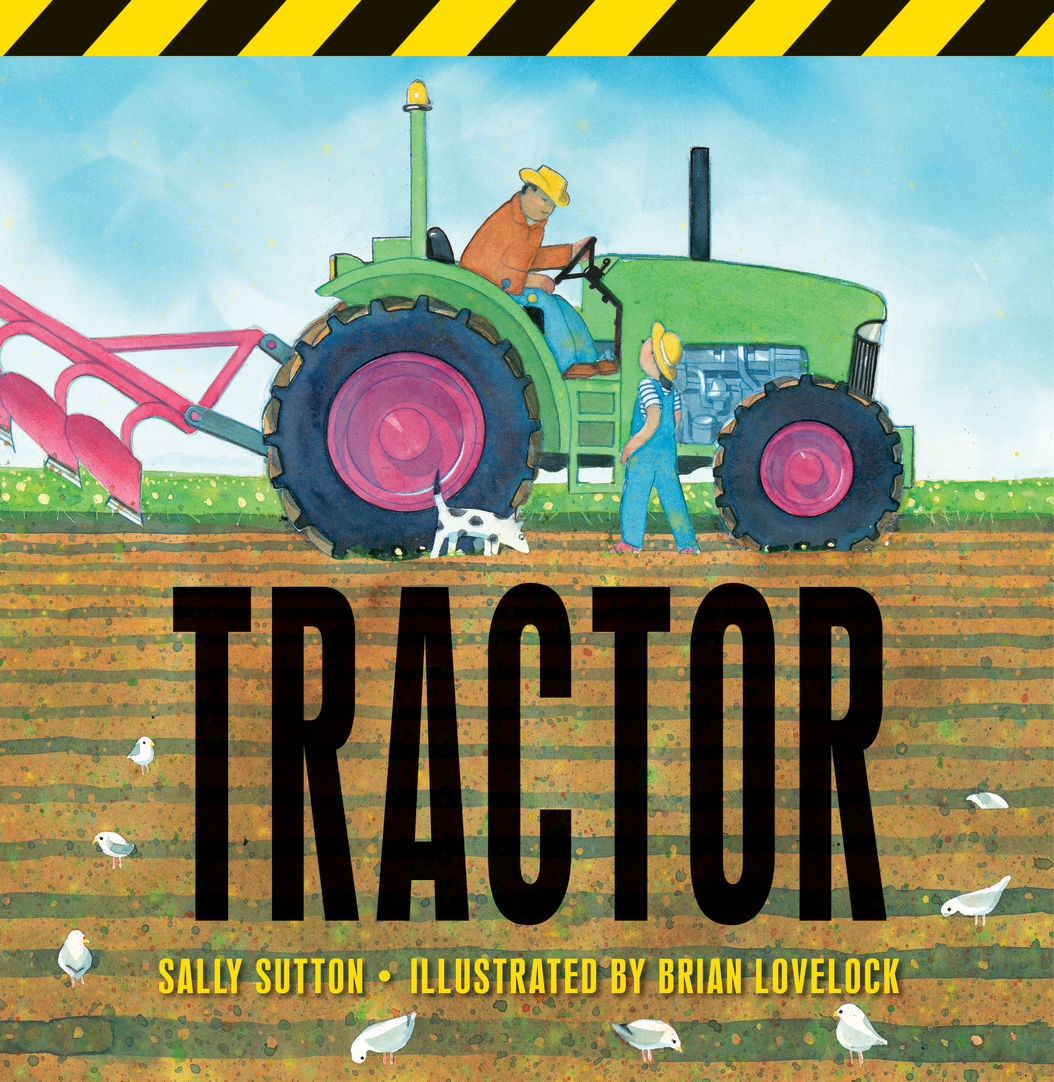
Book: Tractor by Sally Sutton, illustrated by Brian Lovelock

Song: “The Wheels on the Bus”
The wheels on the bus go round and round,
Round and round,
Round and round.
The wheels on the bus go round and round
All through the town!

Additional verses:
Horn/beep-beep-beep
Wipers/swish-swish-swish
Doors/open and shut
Babies/up & down
Parents/I love you

Song: “If You’re Happy and You Know It”

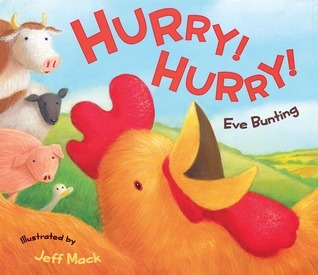
Book: Hurry! Hurry! by Eve Bunting, illustrated by Jeff Mack

Song: “Head, Shoulders, Knees and Toes”
Head, shoulders, knees and toes, knees and toes,
Eyes and ears and mouth and nose,
Head, shoulders, knees and toes, knees and toes.

Puppet Song: “Old MacDonald Had a Farm”

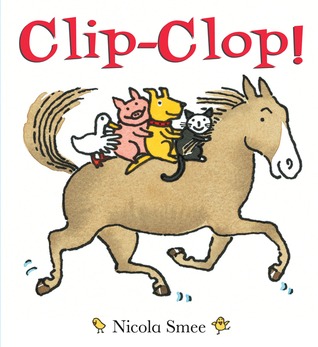
Book: Clip-Clop! by Nicola Smee
Clip-Clop book cover

Scarf Song: “We Wave Our Scarves Together”
We wave our scarves together,
We wave our scarves together
Because it’s fun to do.

Wave them up high,
Wave them down low,
Wave them in the middle
Because it’s fun to do.
(Credit: Jbrary)

Scarf Rhyme: “Popcorn Kernels”
Popcorn kernels (wave scarves overhead)
In the pot. (make their scarves ‘disappear’ by bunching them up in their fists)
Shake them, shake them, shake them (shake fists)
‘Til they POP! (toss scarves up into the air)

Scarf Rhyme: “Jack in the Box”
Jack in the box
Sits so still.
Will he come out?
Yes, he will!
(Credit: Jbrary)

Song: “Icky Sticky Bubble Gum” – David Landau: Kids and Kitties

Closing Rhyme

Key Factors That Influence Business Profitability

Profitability is affected by much more than total sales. Pricing, operating costs, customer retention, productivity, and financial management all influence how much revenue ultimately becomes profit.

Set Prices Carefully

Businesses should understand the true cost of providing each product or service. Labor, materials, overhead, shipping, marketing, and administrative expenses should all be considered.

Setting prices solely according to competitors can be risky because every company has a different cost structure.

Understand Product Margins

High-revenue products are not necessarily the most profitable. Companies should calculate margins by product, service, customer group, or region.

This analysis can help management identify where resources should be concentrated.

Control Customer Acquisition Costs

Marketing campaigns should be evaluated according to the business they generate, not simply the number of views or inquiries.

Understanding acquisition costs and customer lifetime value can help companies invest more intelligently.

Account for Expansion Expenses

Entering another country can create attractive opportunities, but expansion introduces administrative, banking, legal, and regulatory costs.

Businesses entering New Zealand may use investor onboarding services new zealand as part of establishing appropriate investment relationships and satisfying relevant documentation or compliance requirements.

Improve Operational Efficiency

Waste, overtime, excess inventory, and repeated errors can reduce margins significantly. Companies should review operating expenses regularly and investigate categories that increase faster than revenue.

Small improvements across multiple processes can produce substantial financial benefits.

Increase Customer Retention

Existing customers may be more economical to serve than constantly finding replacements. Reliable service, consistent communication, and useful loyalty initiatives can encourage repeat purchases.

Higher retention can also provide more predictable revenue.

Monitor Cash Flow

A profitable company can still experience financial difficulty if customers pay slowly or too much capital is tied up in inventory.

Cash flow reporting should therefore be reviewed alongside profit-and-loss statements.

Conclusion

Profitability improves when companies understand what actually drives financial performance. Careful pricing, efficient operations, controlled acquisition costs, strong customer retention, and disciplined cash management allow leaders to make better decisions and build healthier businesses.